Related productAvailable today
Renewable Intelligence Platform
AI that finds the generation your portfolio is losing, explains why, and ranks what to fix first. Deployed today on solar.
Utilities & Grid
Asset health and reliability for network operators.
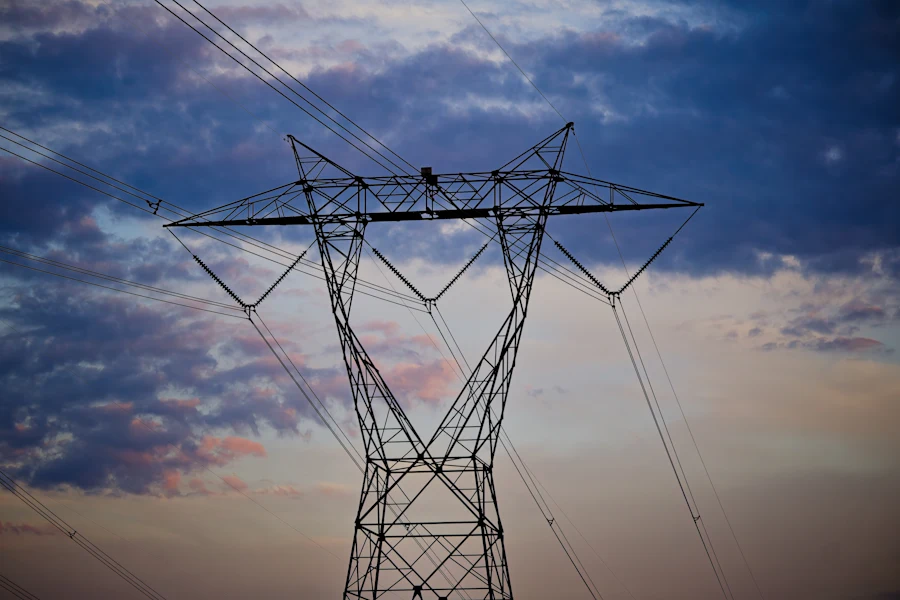
Control and metering systems produce vast amounts of data that is used once, then archived without being interpreted.
Maintenance is scheduled by age and inspection cycle, not by actual condition.
Alarm volume exceeds what any control room can triage, so teams filter by habit instead of consequence.
Existing operational data is used without requiring new field equipment.
Asset condition is evaluated against what each asset should be doing.
Findings are ranked by consequence, so the queue reflects risk instead of alarm count.
Shared product principles
The engineering context changes by sector; the commitment to plant-specific analysis, inspectable evidence, and workflow fit does not.
In active discussion with network operators, working from the data they already collect.
Peryx is deployed today on solar. If you operate utilities & grid assets and want to know whether it transfers to yours, the honest answer comes from looking at your data together, not from a page like this one.
AI that finds the generation your portfolio is losing, explains why, and ranks what to fix first. Deployed today on solar.
The first conversation is about your assets, your data, and the question your current systems cannot answer.