Related productAvailable today
Renewable Intelligence Platform
AI that finds the generation your portfolio is losing, explains why, and ranks what to fix first. Deployed today on solar.
Infrastructure
Distributed assets that report continuously and fail expensively.
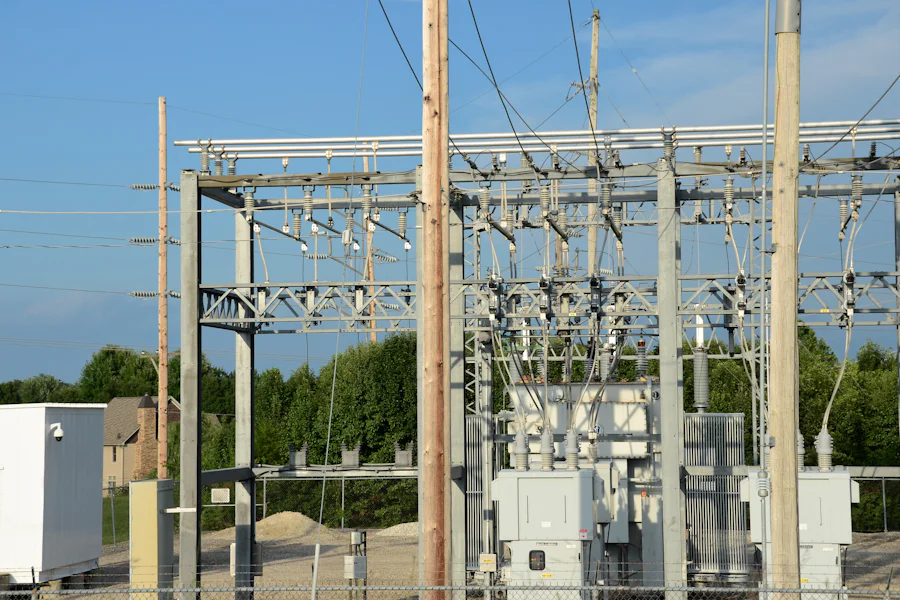
Assets are spread across wide areas, so a site visit is the expensive default for answering any question.
Data arrives from many vendor systems that were never designed to be read together.
Failures are expensive and public, which pushes operators toward over-maintenance instead of accurate maintenance.
Data from different vendor systems is brought into one consistent operating view.
Each asset is assessed on its own terms, not against a generic average.
Evidence directs investigation and maintenance to where it is needed.
Shared product principles
The engineering context changes by sector; the commitment to plant-specific analysis, inspectable evidence, and workflow fit does not.
Architecture ready. Bringing mixed vendor data together is the capability that transfers most directly, and a scoped pilot is the next step.
Peryx is deployed today on solar. If you operate infrastructure assets and want to know whether it transfers to yours, the honest answer comes from looking at your data together, not from a page like this one.
AI that finds the generation your portfolio is losing, explains why, and ranks what to fix first. Deployed today on solar.
The first conversation is about your assets, your data, and the question your current systems cannot answer.