Related productAvailable today
Renewable Intelligence Platform
AI that finds the generation your portfolio is losing, explains why, and ranks what to fix first. Deployed today on solar.
Solar
Recover lost generation across solar portfolios.
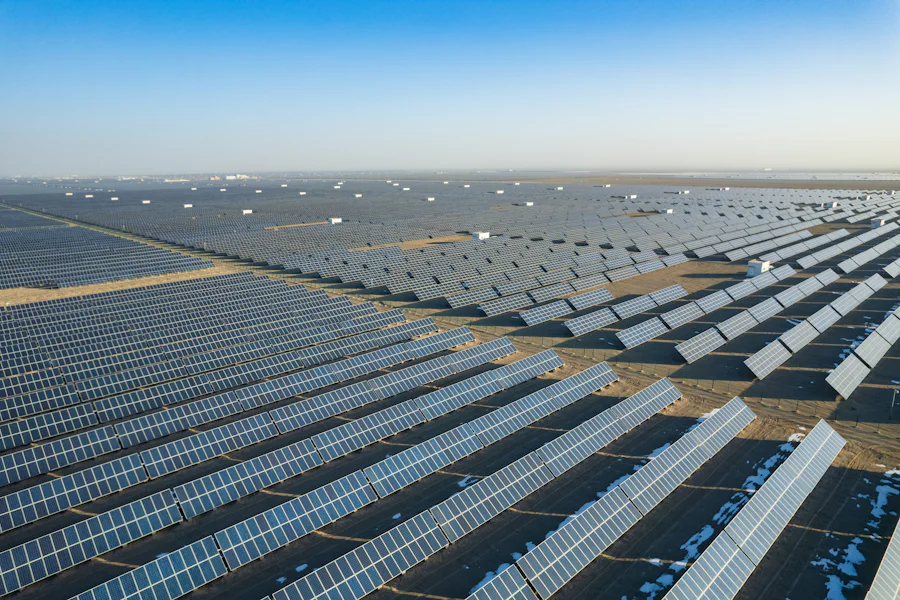
Output falls short of budget and standard reporting cannot say why.
Slow decline stays below alarm thresholds until it has cost a season of generation.
Portfolios built over years mix equipment from many suppliers, and none of their systems agree on what normal looks like.
Each site is measured against what that specific site should produce under the conditions it actually saw.
Shortfalls are explained, quantified, and ranked by what they cost.
Every finding arrives with the evidence needed to verify it.
Shared product principles
The engineering context changes by sector; the commitment to plant-specific analysis, inspectable evidence, and workflow fit does not.
Deployed and running against real operational data. This is the product you can use today.
AI that finds the generation your portfolio is losing, explains why, and ranks what to fix first. Deployed today on solar.
We’ll show you what Peryx would find across your portfolio, and how quickly a first site can go live.