Related productAvailable today
Renewable Intelligence Platform
AI that finds the generation your portfolio is losing, explains why, and ranks what to fix first. Deployed today on solar.
Wind, Hybrid & Storage
One operating picture across wind, hybrid, and storage portfolios.
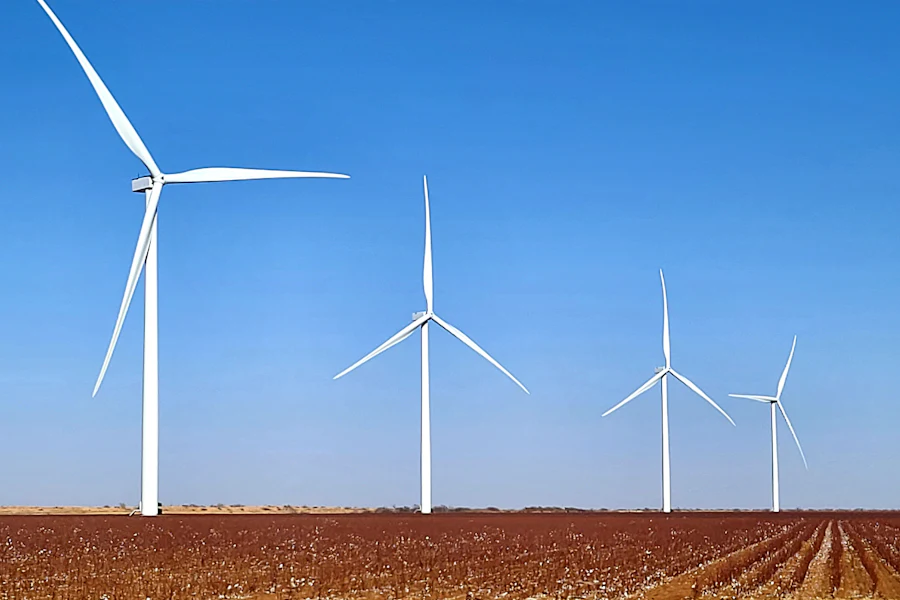
Each technology reports through its own system, with its own definition of availability and performance.
Hybrid sites are contracted as one asset but analysed as several unrelated ones.
Storage health is tracked by usage counts instead of how the asset is actually performing.
Each technology is evaluated in the operating context that applies to it.
Lost output is separated from output that was never available, instead of blended into one number.
Findings are brought together across the portfolio so teams can compare what deserves attention first.
Shared product principles
The engineering context changes by sector; the commitment to plant-specific analysis, inspectable evidence, and workflow fit does not.
In active conversation with operators running mixed portfolios, with wind and storage capability in development.
Peryx is deployed today on solar. If you operate wind, hybrid & storage assets and want to know whether it transfers to yours, the honest answer comes from looking at your data together, not from a page like this one.
AI that finds the generation your portfolio is losing, explains why, and ranks what to fix first. Deployed today on solar.
The first conversation is about your assets, your data, and the question your current systems cannot answer.